


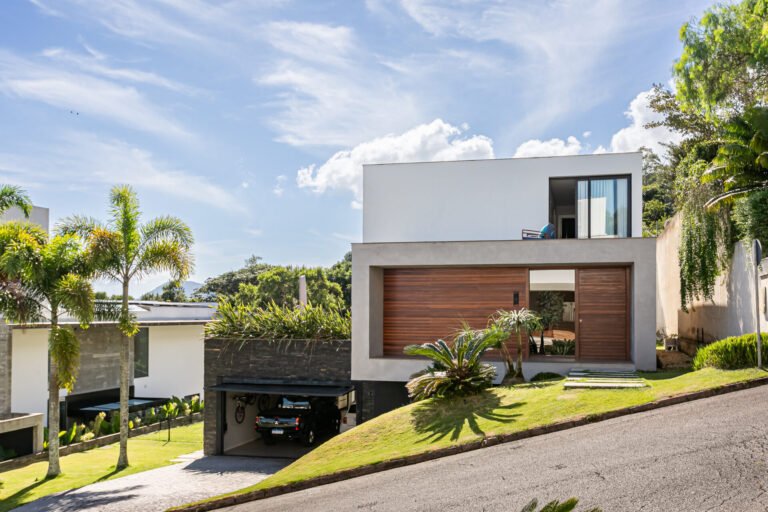
House in a gated community in Cacupé.
R$ 2,890,000


If you analyze the price of houses for sale in Florianópolis based solely on criteria such as square footage, number of bedrooms, lot size, and finish quality, you risk interpreting the market through an incomplete logic. These elements explain the physical cost of the property, but they do not capture everything that sustains its value.
Floripa is a city marked by territorial limitations, consolidated prime neighborhoods and restricted supply in certain locations. Here, price also incorporates address, privacy, views, lot position and difficulty of replacement.
This perspective changes the entire reading of the market. A R$ 10 million home does not necessarily cost three times more because it offers three times the area of a R$ 3 million residence. In many cases, the difference lies in location, privacy, views, lot position and the limited availability of equivalent properties. Therefore, price ranges here do not work merely as divisions of a catalog. They help identify what the buyer seeks and truly acquires at each stage of the market.
There is, however, a less obvious layer. The buyer also acquires access to Florianópolis and to the everyday experience offered by a specific neighborhood. Mobility, perceived safety, services, scenery, outdoor activities, and the relationship with the surroundings all contribute to the formation of value, even when they do not appear in the property's square footage. Therefore, the price comes to reflect three connected dimensions: the house, the position it occupies in the city, and the lifestyle that address makes possible.
Up to a certain value, one buys construction. Then, one buys location. Next, scarcity starts to drive price formation. And finally, in the higher brackets, the residence takes on the characteristics of a heritage asset.
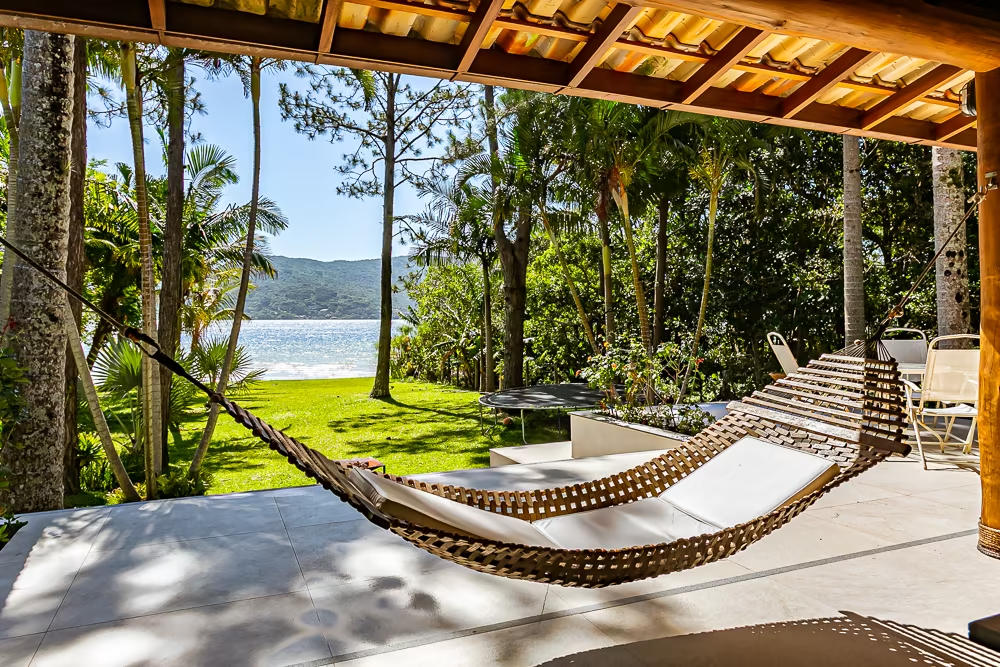


At first glance, the residential market appears to follow a simple logic. Larger homes, better built and with finer finishes, should cost more. This relationship exists, but it loses strength as the property incorporates elements that cannot be easily replicated.
In practical terms, the cost of construction is somewhat predictable. Materials, labor, design, installations, and finishes may vary, but they remain subject to technical and commercial benchmarks.
Land works differently. A privileged position on a certain street, a preserved view or an established location cannot be reproduced merely with financial capacity. Often, it depends on an opportunity that may take years to reappear.
Florianópolis reinforces this dynamic because it brings together a particular territorial configuration. This means that some addresses become structurally scarce. As a result, property prices in these areas may grow at a pace different from construction costs.

The greater the compatibility between property, neighborhood, and daily routine, the greater the perceived utility for the buyer. Conversely, a technically superior house may lose relevance when its location creates recurring difficulties for family life.
This means the market does not price physical structures alone. It also incorporates access to certain urban and residential contexts. There is, therefore, a progressive shift in the composition of value.
In the initial brackets, the residence explains much of the price. In the following ones, the land and urban context gain weight. Later, the rarity of the whole begins to guide negotiation.
The ranges presented below serve as an interpretive matrix. They do not represent absolute limits, as each home has its own characteristics. Still, they help you, the buyer, understand why properties with similar square footage can occupy very different positions in the market.
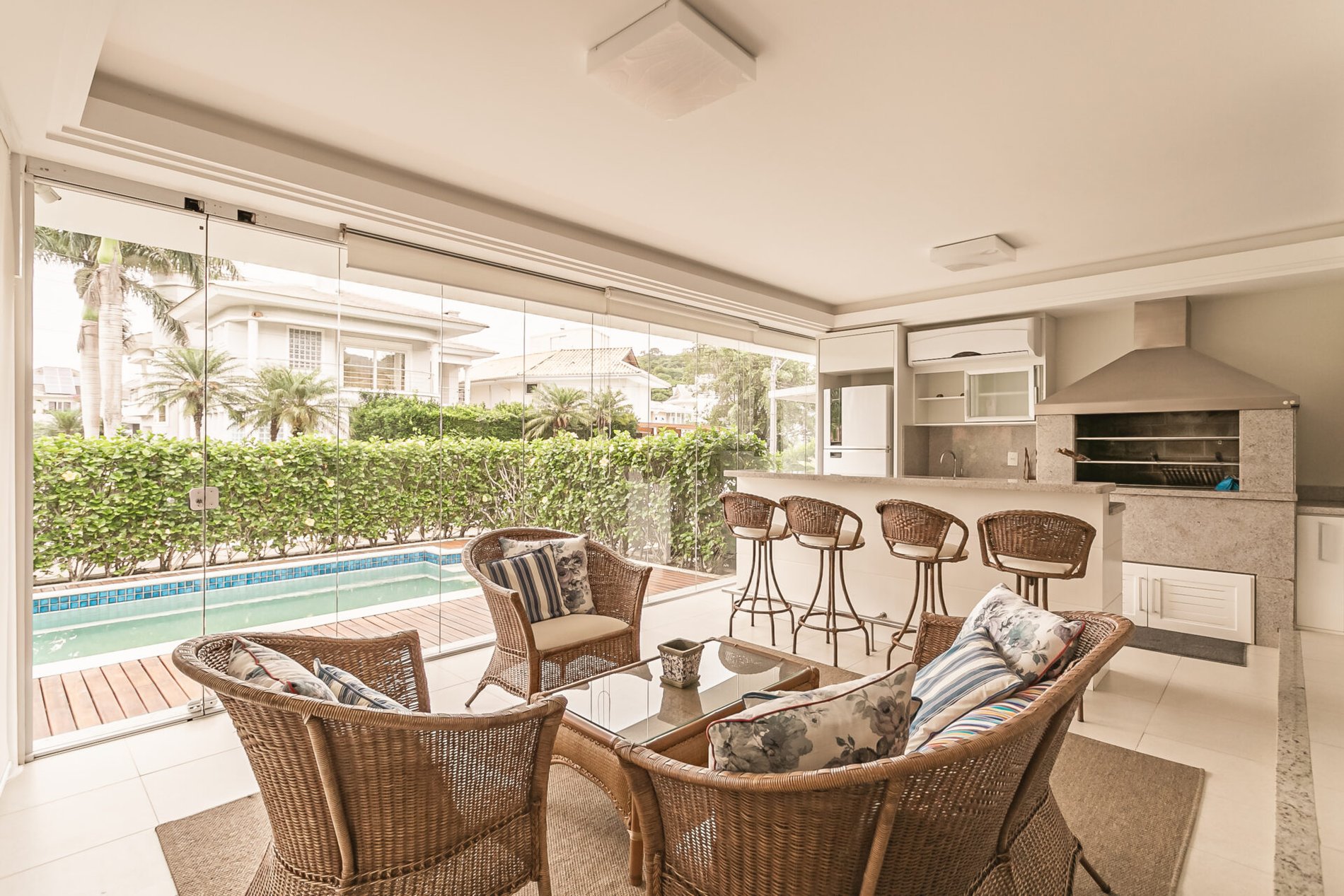
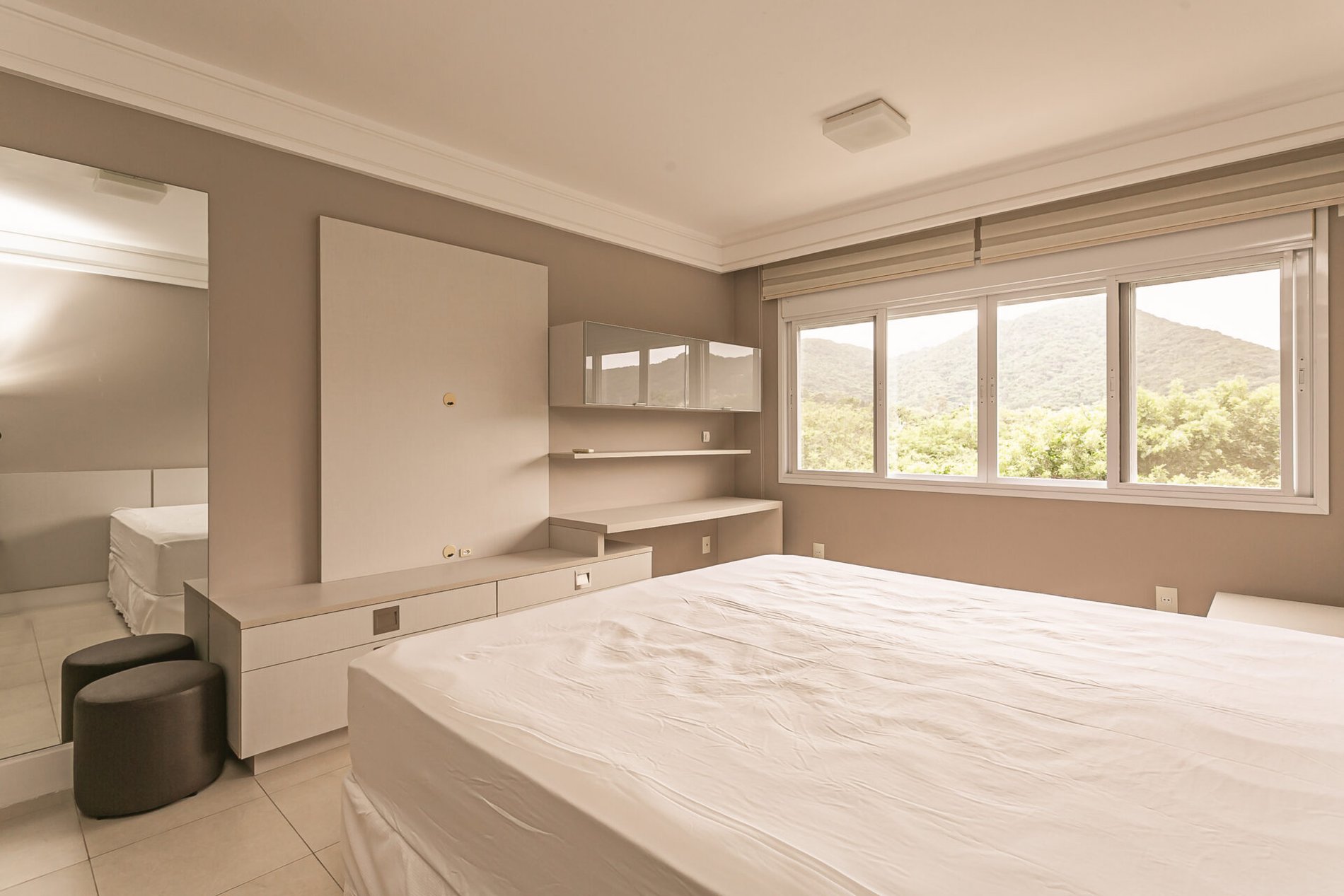
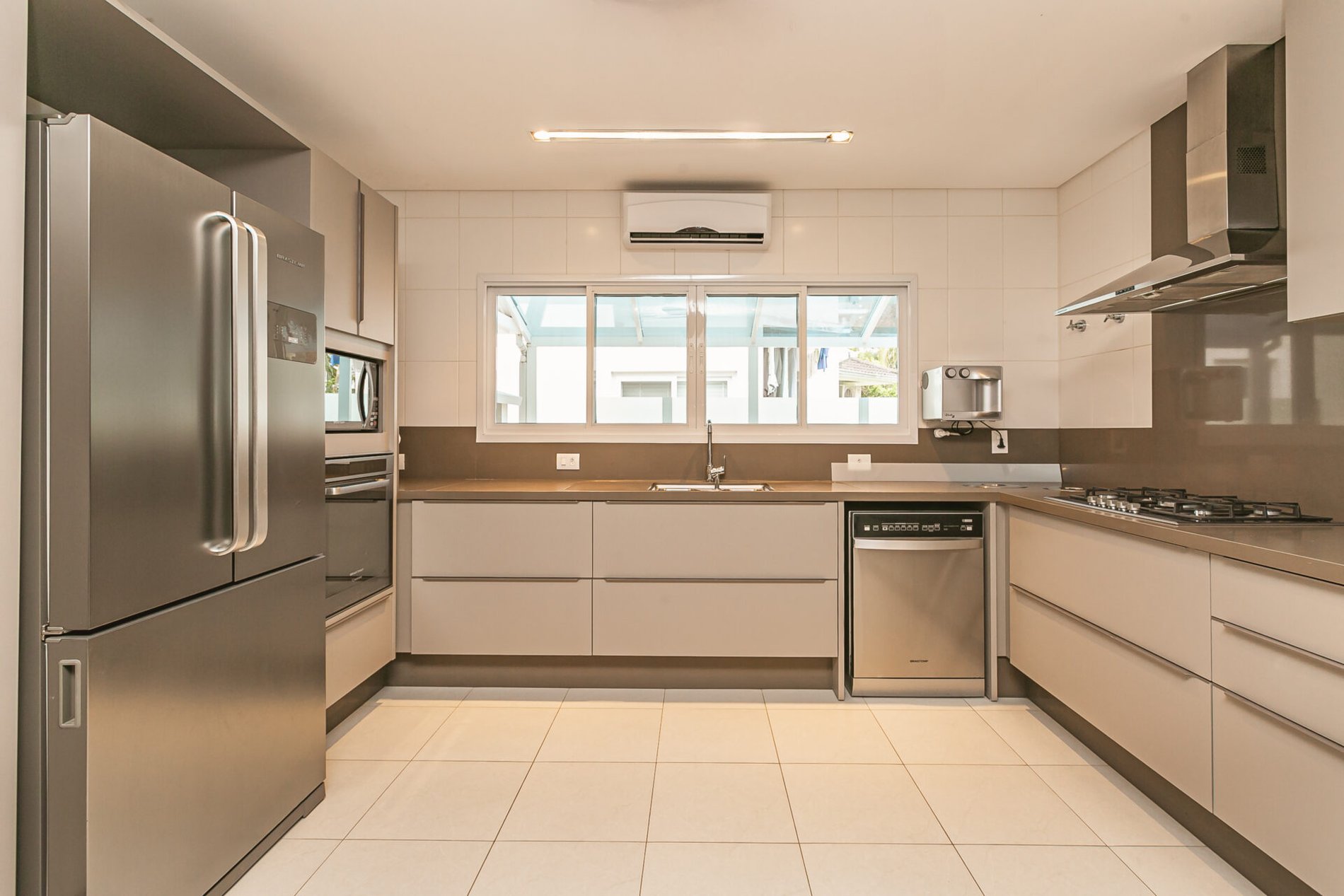
In homes up to approximately R$ 4 million, the quality of the residence tends to account for a significant share of the value. At this stage, the buyer mainly evaluates the design, square footage, layout of the spaces, number of suites, finishes, and leisure areas.
In other words, the house itself remains at the center of the decision.
The buyer can compare different properties using relatively objective criteria. One residence may offer a more functional floor plan, while another has a larger lot. Likewise, a house may stand out for its integrated living spaces, while another offers a pool, a gourmet area, or additional spaces.
Within this range, substitutability is still generally higher. This means that if one property is sold, other options with similar characteristics may remain available or come onto the market within a reasonable time.
This condition influences price formation. Because comparable alternatives exist, the buyer can assess advantages, limitations, and adaptation costs with greater precision. Consequently, very significant price differences require visible justifications.
The condition of the property also has a direct influence. For example, a recently built or renovated residence can reduce future expenses, while an older property may require updates to installations, window frames, coverings, or outdoor areas.
The functionality of the floor plan carries significant weight. In other words, spacious bedrooms, good circulation, natural light and integration among social areas can generate more perceived value than the simple sum of square meters.
In this range, therefore, the buyer seeks to maximize the quality of construction within a defined budget. The central question is usually objective: which house delivers the best combination of space, design, condition, and comfort?
R$ 2,890,000

R$ 3,990,000

R$ 2,650,000

R$ 3,400,000

R$ 3,700,000

R$ 3,590,000

R$ 4,000,000

R$ 2,650,000
When the budget exceeds R$ 4 million, the logic begins to change. Construction quality remains relevant, but no longer alone explains the price.
In this context, the address comes to represent a larger share of the investment. Buyers start to consider the consolidation of the neighborhood, mobility, the profile of the surroundings, access to services, privacy, and the characteristics of the immediate environment.
The relationship between square footage and price also changes. In many cases, each additional million buys less built area and more premium location.
This shift explains the basics of why two houses of similar dimensions can carry very different values. One may sit on an ordinary lot, while the other is positioned on a more secluded street, with a better view or a more valued urban setting.
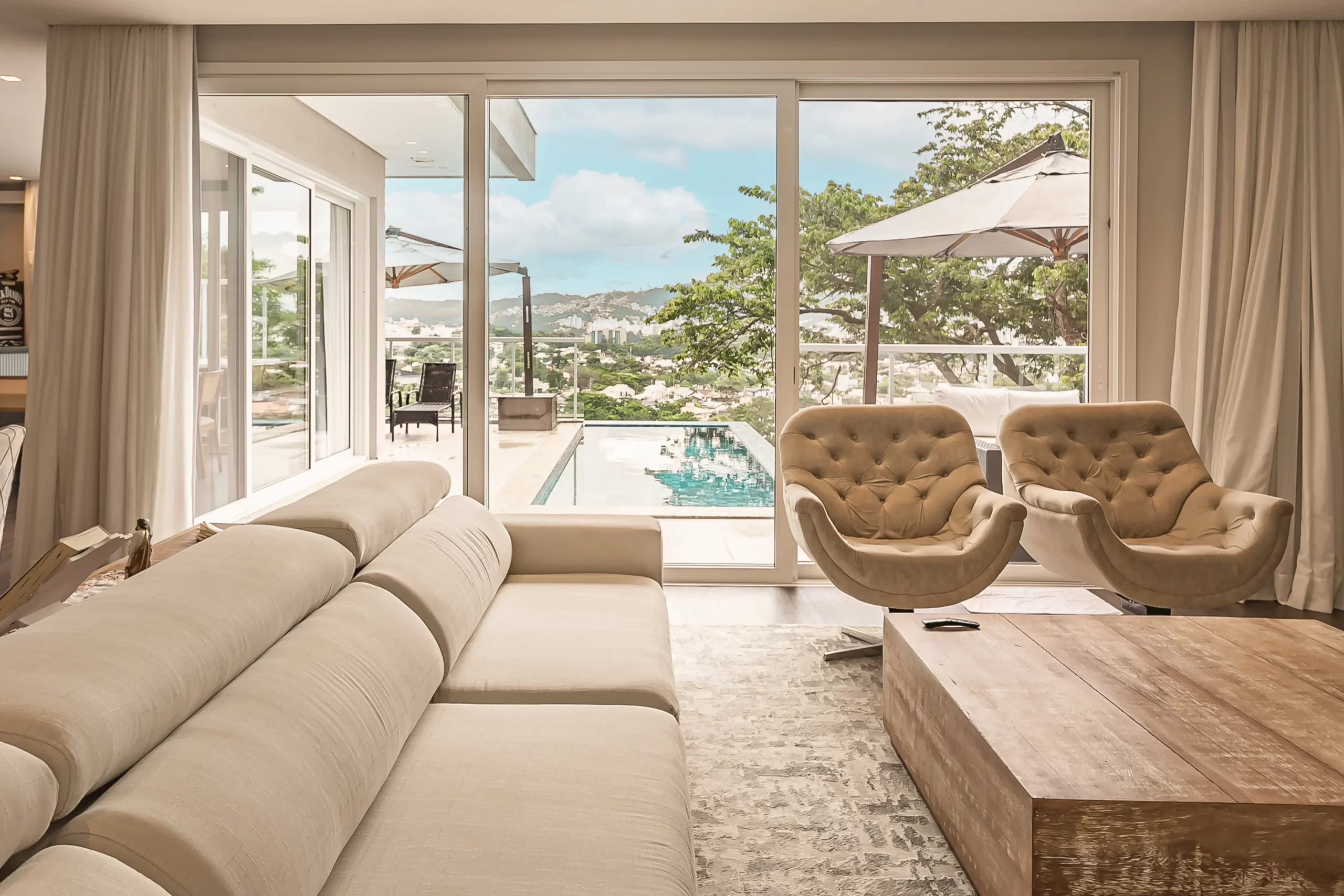

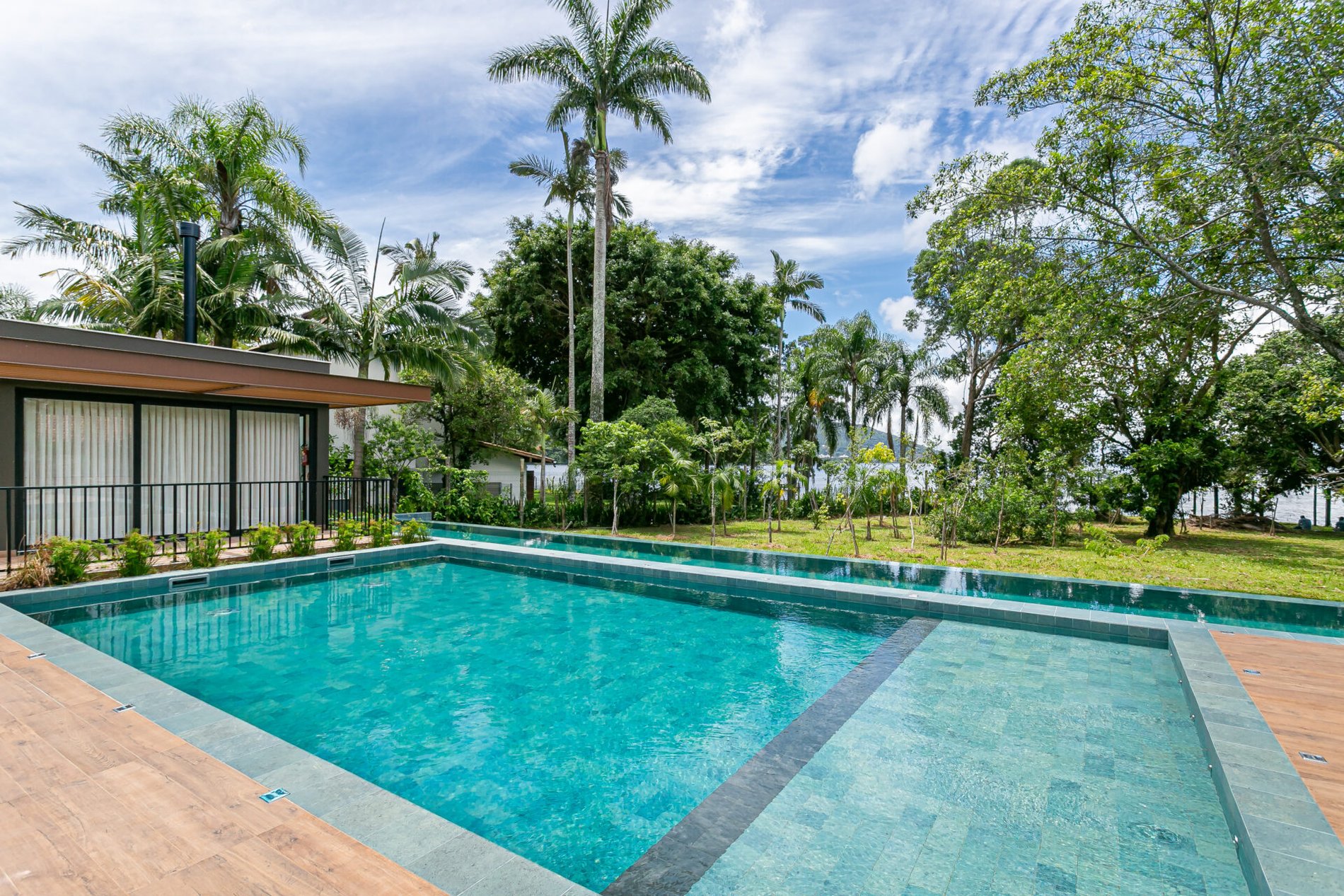
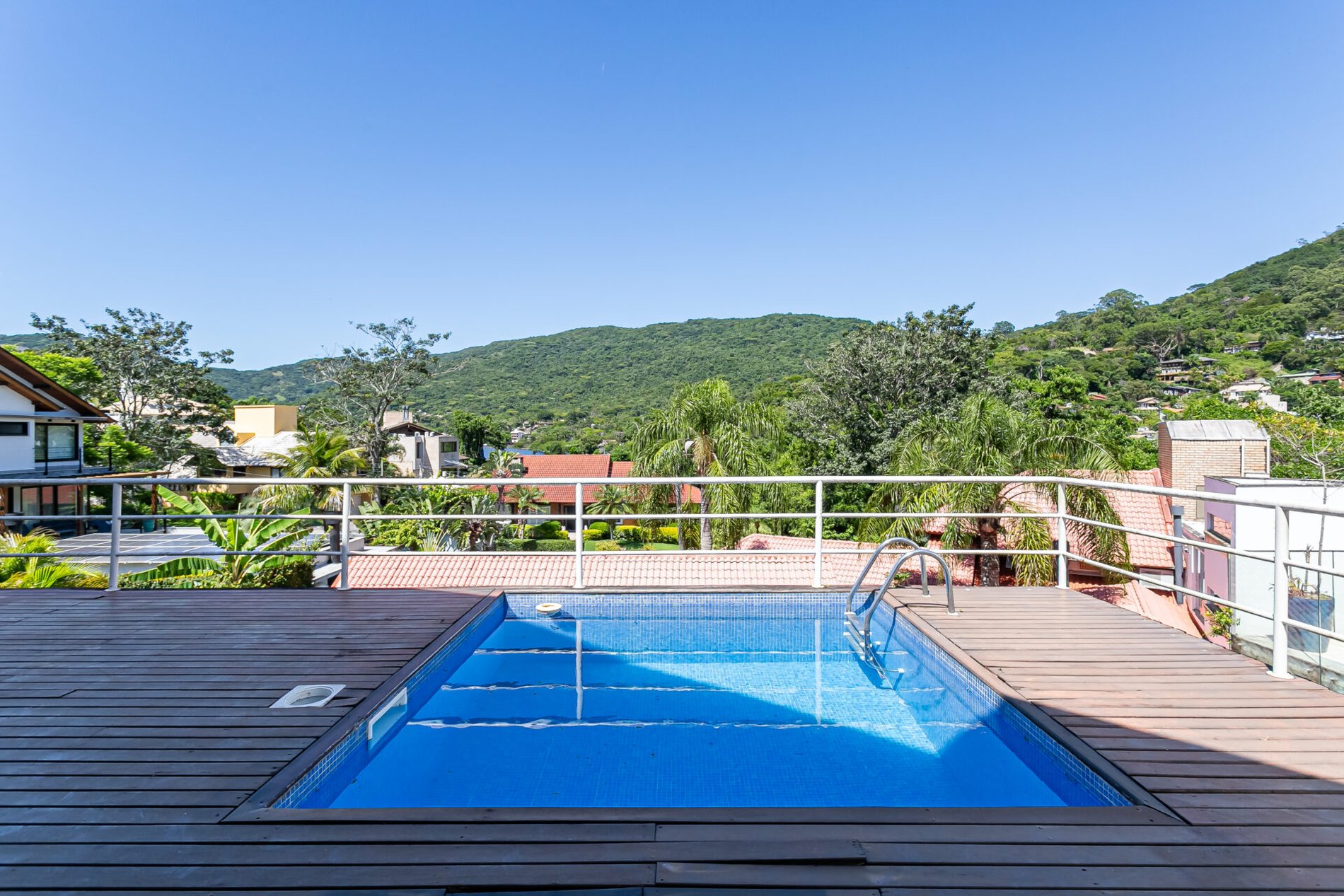
The neighborhood no longer functions merely as a geographic reference and starts to shape part of daily life. Proximity to services, commuting, access to the sea, tranquility, urban density, and the character of the surroundings all gain weight in the decision.
In this range, therefore, each additional million may buy less area and more compatibility with your specific lifestyle.
This shift helps explain why a smaller home can cost more than another that appears superior. Buyers may accept less square footage when the location reduces commutes, improves their connection to the city, or offers an exceptional residential experience that is hard to find in another region.
The comparison must therefore consider two questions. The first assesses what the house delivers. The second investigates what daily routine that neighborhood makes possible.

R$ 4,800,000

R$ 5,601,000

R$ 6,500,000

R$ 7,200,000

R$ 5,490,000

R$ 5,500,000

R$ 4,790,000

R$ 4.350.000
Some offer closer proximity to central areas. Others favor larger lots, contact with nature, or lower urban density. As a result, the decision no longer depends solely on the home's program. The family's daily routine begins to influence the choice more strongly.
A residence may have excellent architecture yet be distant from the buyer's most frequent routes. Another may offer less area but provide a location better aligned with work, school, leisure, and everyday commuting.
At the same time, the land begins to compete with the construction in the composition of value. Certain lots offer solar orientation, privacy, or a position that will rarely be found in another comparable property.
From this point on, you as a buyer need to interpret the price with a different question: how much of that value corresponds to the house, and how much corresponds to the address?
This separation helps avoid imprecise comparisons. After all, the construction can be renovated, expanded, or updated. The location remains tied to the property.

R$ 4,950,000

R$ 6,580,000

R$ 7,950,000

R$ 4,750,000

R$ 6,090,000

R$ 4,700,000

R$ 7,900,000

R$ 7,700,000
Between R$ 8 million and R$ 12 million, the limited availability of comparable properties begins to exert a decisive influence on price.
In this segment, construction is usually already of very high quality. However, good materials and well-executed projects are no longer enough to fully differentiate a property.
The central factor becomes the difficulty of replication. A home can combine a well-positioned lot, an open view, privacy, architecture integrated with the landscape, and an established location. While each of these attributes has value, economic strength emerges when all of them appear in the same property.
This is where the concept of substitutability becomes essential.
There may be another house of similar size, yet located in a neighborhood that offers a completely different daily life. Likewise, there may be another lot with a view, but without the same combination of access, privacy, and services.
In this segment, therefore, the buyer seeks a rare combination of physical and everyday attributes. The opportunity becomes highly valuable because it brings together, at the same address, an excellent home and a way of living aligned with the buyer's priorities.
A property has high substitutability when the buyer can find several similar alternatives. Conversely, substitutability decreases when few properties deliver the same combination of location, land, and construction characteristics.

R$ 8,900,000

R$ 10,600,000

R$ 10,000,000

R$ 10,790,000

R$ 12,000,000

R$ 11,500,000

R$ 10,700,000

R$ 8,250,000
Imagine a search for a home with a generous lot, good solar exposure, a preserved view, privacy, and convenient access to the family's main routes. How many available properties meet all of these conditions at once?
At certain times, very few.
Consequently, waiting for the next alternative may no longer be an efficient strategy. The available property begins to be assessed also in terms of its replaceability.
This dynamic influences negotiation. In the earlier ranges, the buyer can decline a property and redirect the search toward another similar one. At this stage, losing a specific opportunity can mean months or years before a comparable asset appears.
Architecture also takes on another role. Rather than simply occupying the land, the project begins to explore its characteristics.
The siting can take advantage of changes in elevation, solar orientation, ventilation, and framed views of the landscape. Likewise, social areas, gardens, and outdoor spaces can form a continuous whole.
As a result, the house is no longer evaluated as a sum of rooms. The buyer begins to observe the relationship between architecture, land, and surroundings.
Scarcity, therefore, does not stem merely from the limited number. It arises from the limited quantity of properties that truly meet the same set of criteria.

R$ 8,500,000

R$ 9,500,000

R$ 8,500,000

R$ 9,800,000

R$ 11,000,000

R$ 8,600,000

R$ 9,600,000

R$ 12,000,000
In homes above R$ 12 million, the market assigns growing weight to the permanence of the property's attributes. In this range, the high-end built area remains important. However, it can no longer explain the value on its own.
Wealth preservation also depends on the property's ability to remain relevant to the family over time. A location that offers a strong connection to the city, privacy, scenic surroundings, and access to sought-after lifestyle amenities can retain its value even as the residence undergoes renovations or updates.
That is why the asset value does not depend solely on the permanence of the land. It is also tied to the lasting urban experience that position offers.
The buyer begins to evaluate the property as a long-term asset. In this sense, an established location, the difficulty of replication, privacy, and the preservation of the surroundings gain significant patrimonial relevance.

R$ 34,900,000

R$ 28,000,000

R$ 15,000,000

R$ 18,000,000

R$ 18,500,000

R$ 17,900,000

R$ 19,990,000

R$ 13,900,000
Rather than only weighing the price of the residence, the buyer begins to consider what it would cost to reproduce that set of features.
In many cases, the answer reveals the very nature of the asset.
A building can be rebuilt. Finishes can be updated. Automation systems can evolve. However, a rare plot of land, a protected view, or a privileged position in a given neighborhood can be impossible to reproduce.
This impossibility underpins an important part of the patrimonial value. In addition, the decision horizon tends to be longer. The buyer considers the home's capacity to serve different life stages, preserve its architectural relevance, and maintain valued attributes over time.
With that in mind, the decision calls for a less immediate analysis. Decorative trends or solutions closely tied to a particular era may lose relevance when weighed against criteria such as the quality of the site layout, the flexibility of the floor plan, and the consistency of the address.
The property also stops competing with the entire residential market. It begins to compete only with a select group of properties capable of offering equivalent features.
This reduction in the comparable universe transforms pricing. Value no longer depends solely on construction cost or the average price per square meter. It now reflects the scarcity of the asset as a whole.
Above this threshold, what is being purchased is permanence. The property serves as a residence, but also as a wealth position tied to a limited territorial resource.

R$ 13,000,000

R$ 15,200,000

R$ 22,000,000

R$ 12,500,000

R$ 19.900.000

R$ 17,000,000

R$ 12,990,000

R$ 14,800,000
Price per square meter can help in the early stages of your search. However, its comparative power diminishes as properties become less interchangeable.
Two houses may have the same built area and very different values. One may sit on an ordinary lot, while the other takes advantage of a rare position. Likewise, one may require renovations, whereas the other features architecture integrated with its land and surroundings.
In this case, dividing the price by the square footage creates an appearance of objectivity, but it hides the factors that truly drive the decision.
Price per square meter also does not measure privacy, sun exposure, the quality of the view of the sea or lagoon, internal circulation, or adaptation potential. Furthermore, it cannot represent the difficulty of finding another equivalent property.
That is why this metric should serve as a reference point, not as a conclusion.
A more comprehensive analysis considers at least four dimensions:
As the value increases, the weight of these dimensions shifts. Construction dominates the first bands. Then, location and scarcity begin to exert greater influence. Finally, patrimonial permanence occupies the center of the analysis.

Another point deserves attention: advertised price and perceived value are not identical concepts.
The owner sets an asking expectation. The buyer, in turn, evaluates the property against available alternatives, adaptation costs, and the urgency of the search.
In a market with many similar properties, comparison leaves little room for very large differences. On the other hand, when a property has low substitutability, negotiation depends more on the perception of opportunity.
This means that a rare property can remain on the market longer without necessarily losing its pricing logic. Likewise, a common property may require faster price adjustments when competing with several equivalent alternatives.
The exposure time, therefore, needs to be interpreted within the context of the property.
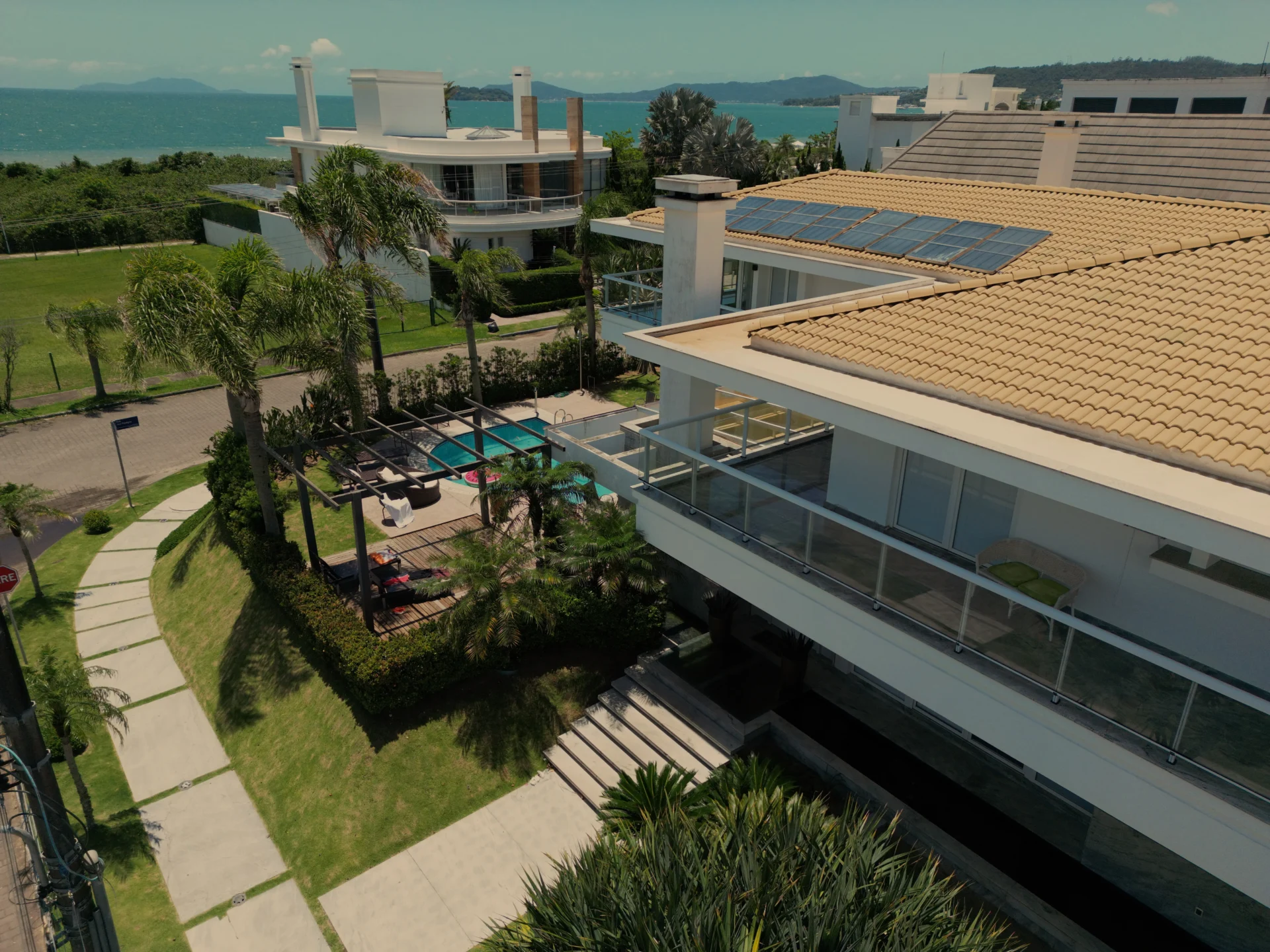
Before comparing prices, the buyer needs to define what they intend to protect during negotiation.
If the priority is built area, the search should focus on floor plan, the condition of the house, the lot, and maintenance costs. Conversely, when the address is at the center of the decision, accepting a smaller residence may make sense.
If the search involves a rare property, the buyer needs to consider replacement. In other words, they should assess the real possibility of finding another home with equivalent features.
It is also advisable to separate permanent elements from modifiable ones.
Finishes, lighting, and fixtures can be updated. Certain walls may be modified, provided the design allows it. On the other hand, solar orientation, lot position, views, and location remain practically unchangeable.
This distinction prevents superficial factors from carrying more weight than structural attributes.
Beyond the property's features, buyers should test how well the neighborhood fits their daily routine. A few questions help with this analysis:
These answers help identify how much of the price corresponds to the house and how much corresponds to access to a particular way of living in Florianópolis.
The most consistent decision arises when the price corresponds to what can hardly be purchased again.

Price ranges help organize and better understand how the market works; however, their analytical value lies in what they reveal.
Homes up to R$ 4 million, construction tends to explain much of the investment. Among homes between R$ 4 million and R$ 8 million, the address gains weight and begins to guide comparisons. Between R$ 8 million and R$ 12 million, low substitutability supports more pronounced differences. Meanwhile, the homes above R$ 12 million, the permanence of attributes turns the home into a patrimonial asset.
This progression shows why house prices do not rise in a linear fashion.
The buyer does not receive just more square footage with each budget increase. Instead, they gain access to attributes whose supply gradually diminishes. As a result, the price no longer reflects only what was built. It begins to incorporate what the territory still allows one to buy.

R$ 17,000,000

R$ 6,900,000

R$ 6,800,000
R$ 6,990,000

R$ 4,500,000

R$ 7,800,000

R$ 26,000,000

R$ 7,850,000
Understanding the price of houses for sale requires an integrated reading. The buyer must identify how much of the value is concentrated in construction, location, scarcity, and long-term patrimonial permanence.
However, the analysis remains incomplete when it ignores the city and lifestyle. A house also offers access to a neighborhood, a daily rhythm, certain landscapes, and a specific way of relating to and enjoying life in Florianópolis.
Up to a certain point, one property can be replaced by another with relative ease. Beyond that, alternatives diminish because the buyer begins to require a more precise combination of property, address, and everyday experience.
Given this, the most relevant question goes beyond the advertised price. The buyer needs to understand which part of the price is supported by the home, which part is tied to the position it occupies in the city, and how much of that experience could be found again.
This perspective transforms your property search. Above all, it allows you to recognize that buying a house in Florianópolis also means choosing how to live the best the city has to offer.
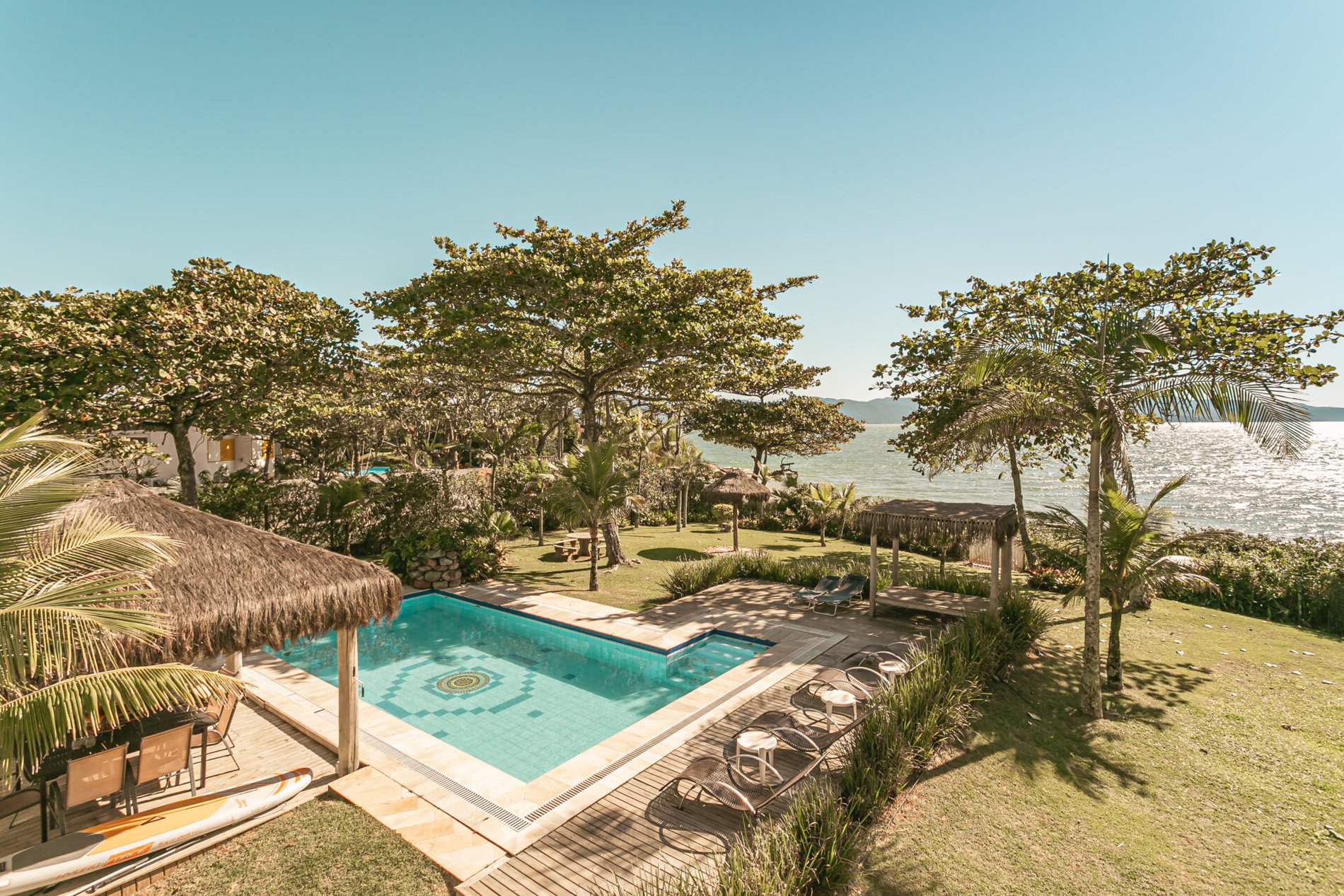
A home does not exist in isolation. By acquiring a property in Florianópolis, the buyer also incorporates into their daily life the characteristics of the city, its territorial configuration, its services, its landscapes, and the way each region connects to the others.
This urban component helps explain part of the price. After all, similar properties can offer very different experiences depending on their location.
Florianópolis combines insular and mainland territory, consolidated urban areas, and neighborhoods with higher and lower density. As well as beautiful beaches, bays, lagoons, hills, and vegetated areas. This combination creates the uncommon diversity of residential contexts within the same municipality.
In practical terms, the buyer may look for proximity to the city center, access to the sea, residential tranquility, integration with nature, or ease in handling daily commutes. Here at Luxury Home Floroa, we understand that each priority leads to a different reading of the real estate map.
For this reason, the city also plays a role in shaping value. Certain choices may involve greater car dependence, seasonal traffic variations, or longer distances to other centers. Meanwhile, the right address will reduce travel, bring the family closer to essential services, or offer a more direct relationship with natural spaces.
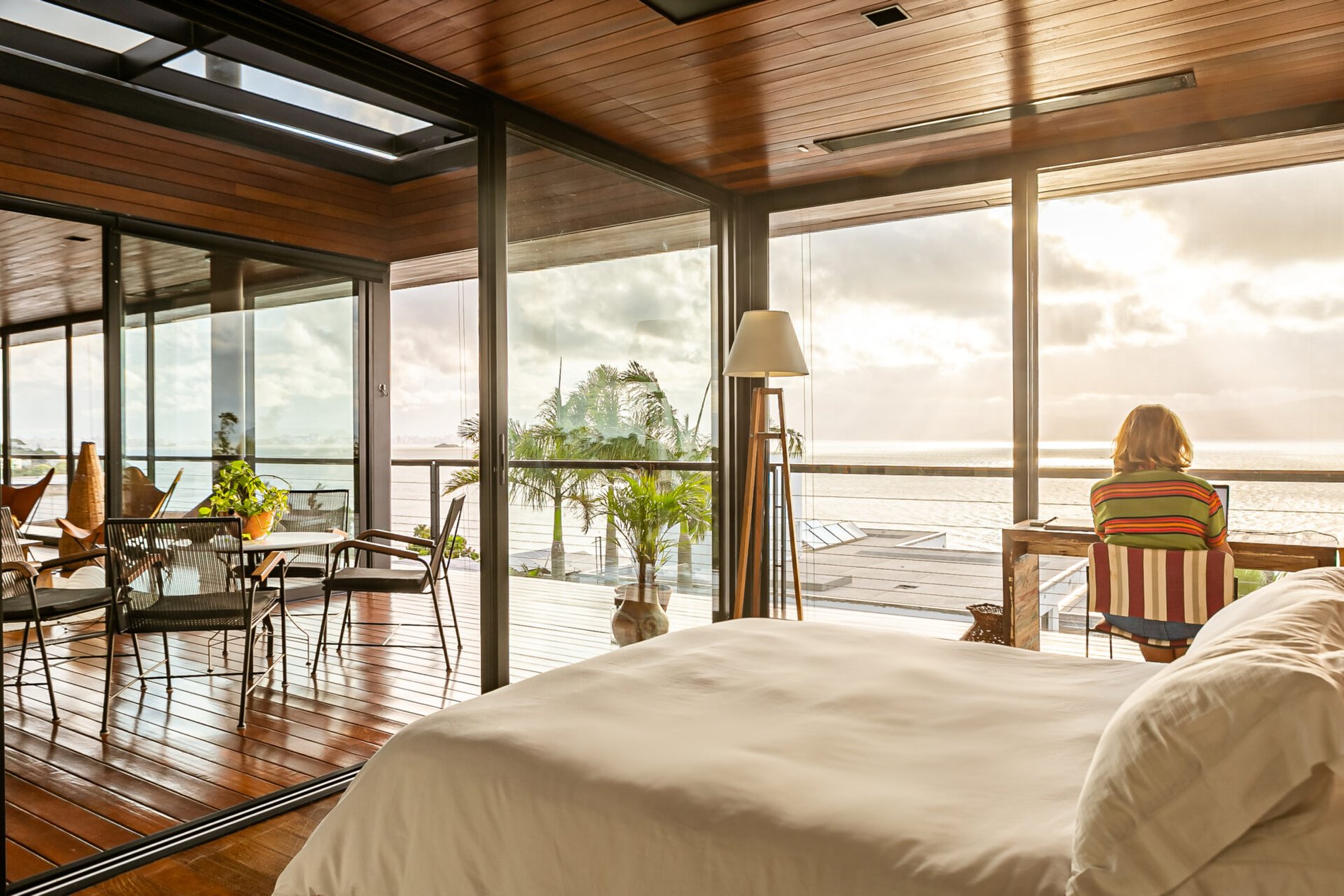
General indicators help us understand the municipal context, but the concrete experience takes place on a smaller scale. Lighting, pedestrian movement, access routes, street activity, neighborhood profile, and surrounding characteristics shape the everyday perception of each address.
Therefore, a responsible assessment should not reduce safety to a classification of the city or neighborhood. The buyer should observe the street at different times, get to know the access points, and understand how the area functions during weekdays and weekends.
Infrastructure also influences the decision. Schools, healthcare services, shops, dining, leisure areas, and road connections can increase the daily usefulness of a location. However, the weight of each element varies according to the family's routine.
This relationship between city and property produces an economic consequence. The harder it is to reproduce a combination of location, access, landscape, services, and residential quality, the fewer comparable alternatives tend to exist.
Therefore, whoever buys a home in Florianópolis is also buying a strategic position within the city. This position is, in fact, as important to price formation as the construction on the land.
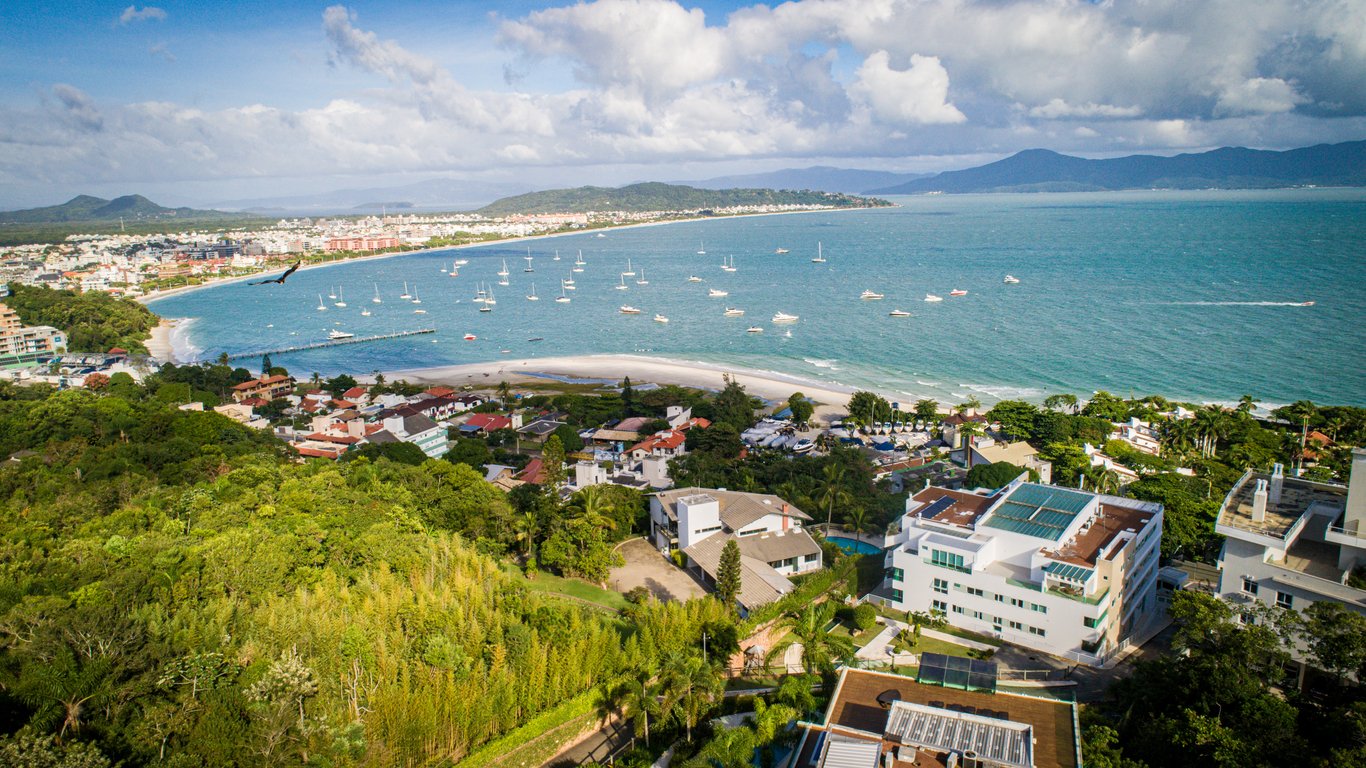
Location appears in listings as a name. In everyday life, however, it becomes time, commuting, convenience, privacy, and access to the activities that make up your routine.
Therefore, buying a home also means choosing a lifestyle.
In Florianópolis, neighborhoods that are relatively close together can offer very distinct residential experiences. A coastal area may encourage frequent contact with the beach and outdoor activities. A more central area, on the other hand, will completely reduce travel times to services, schools, and workplaces.
Likewise, lower-density neighborhoods can offer more quiet, larger lots, and contact with the landscape. However, this choice may require greater planning for daily commutes.
On the island, each region maintains its own relationship with the beaches, lagoons, hills, and connecting roads. The mainland, by contrast, follows a different rhythm. Depending on the address, residents can organize their routines with closer access to certain metropolitan connections, services, and urban centers.
None of these possibilities represents a universally superior choice. The value depends on how well the neighborhood matches the lifestyle the buyer intends to acquire.
A family with children may place greater importance on school commutes and the availability of nearby services. A professional who works remotely may value quiet, space, and a quality of life close to nature. Meanwhile, someone with frequent commitments across different parts of the city may prioritize quick access and predictable travel times.




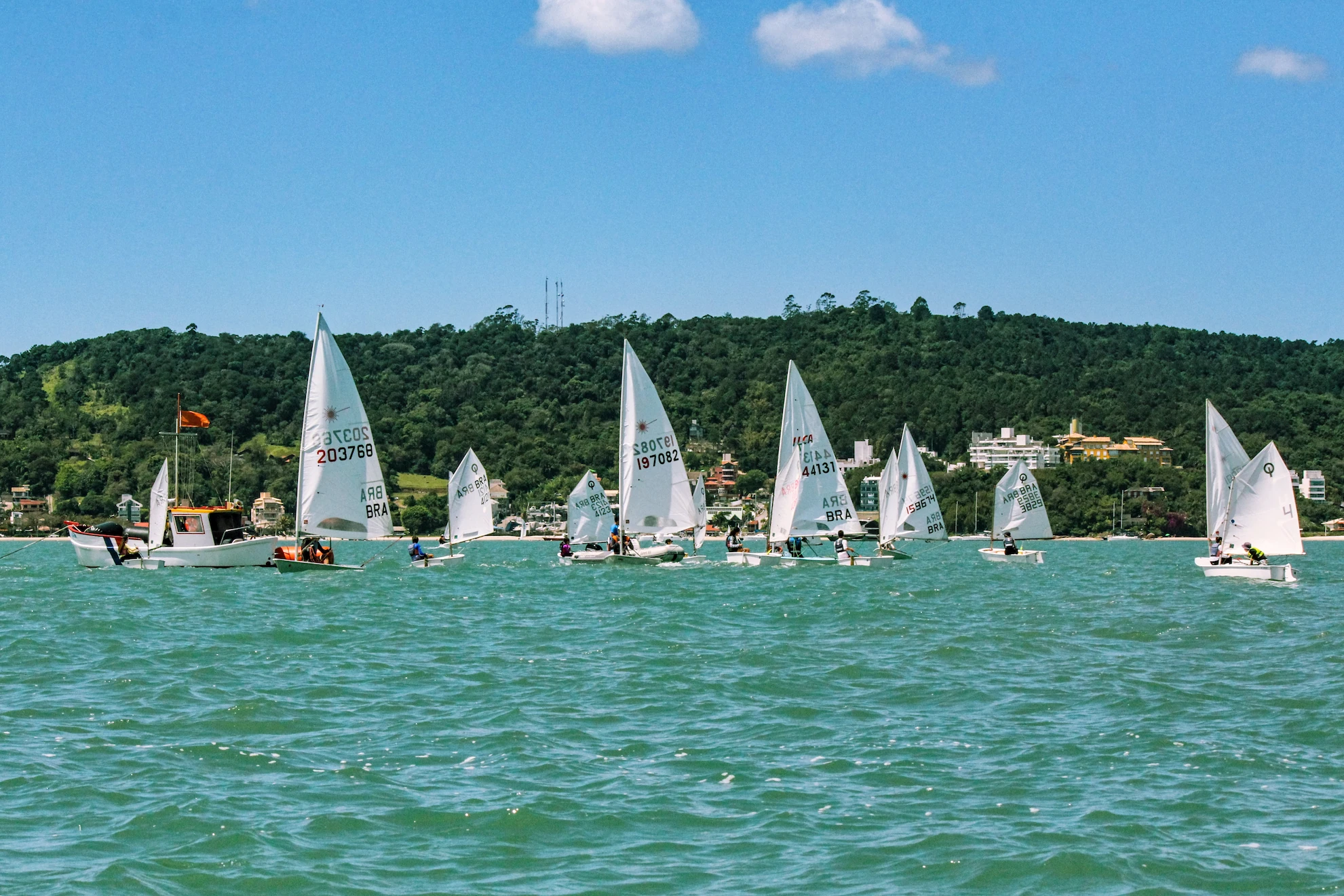
Walking through the neighborhood, dining out, practicing sports, accessing the sea, hosting friends, or keeping a more private routine are experiences that depend on the relationship between the property and its surroundings.
In this sense, the home functions as the base of a daily routine. Its interior quality matters, but a significant part of the experience begins the moment the resident walks through the gate.
This realization changes how properties are compared. Two residences with similar prices and square footage can deliver completely different everyday lives. One may prioritize urban convenience. Another may offer closer contact with nature. A third may balance privacy with access to services.
Consequently, buyers need to evaluate the neighborhood as part of the home's program. The floor plan shows how the family will live inside the property. The location shows how they will live in the city.
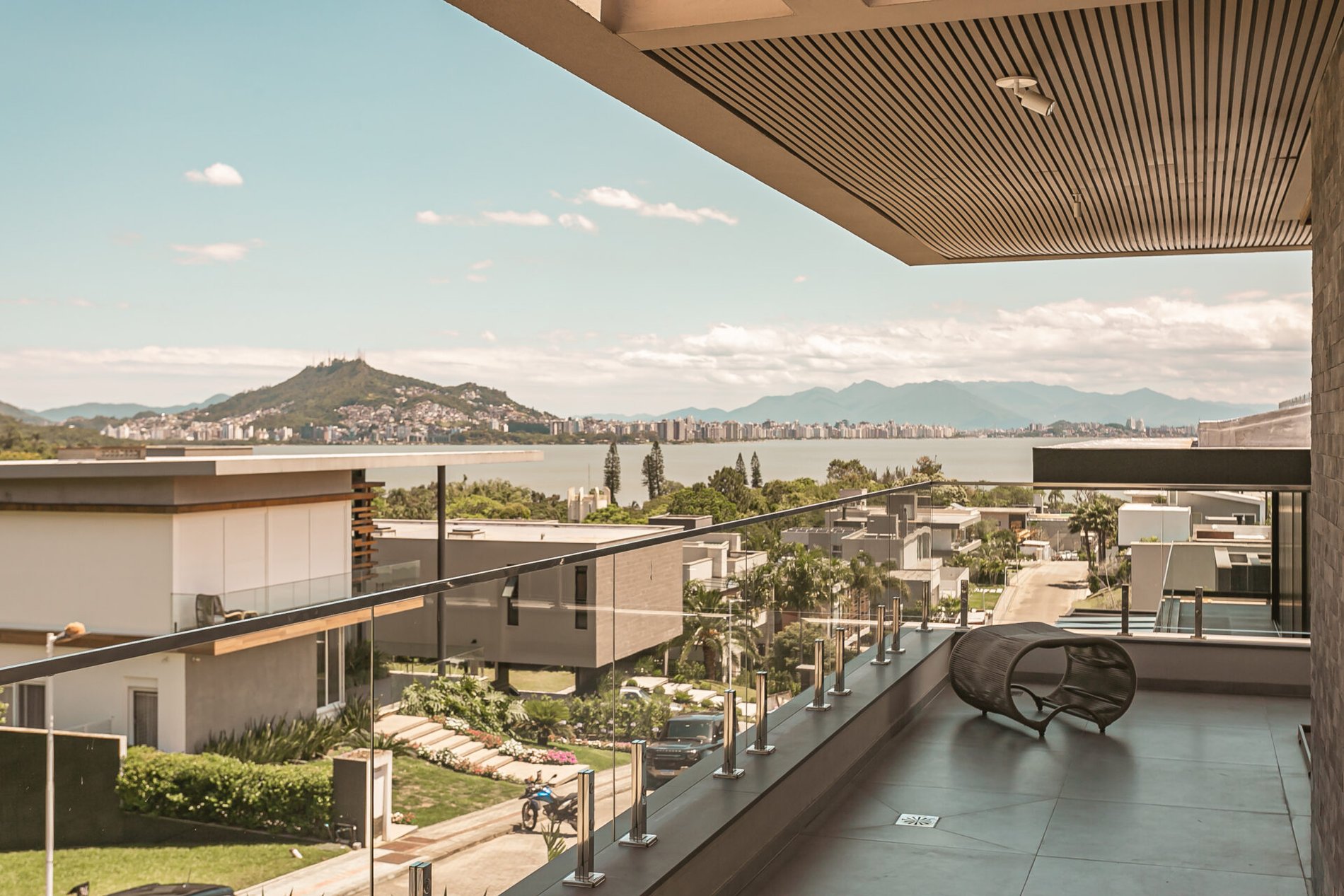
Count on our brokers and our specialized real estate advisors to find the perfect property and guarantee your peaceful living in [location]. Florianópolis. Our team operates with the concept of a Boutique of Service, offering a highly personalized and bilingual experience.
We are executives who are knowledgeable not only about the characteristics of the properties, but also about the different lifestyles and particularities of each region of Florianópolis Island. For those arriving in the city and wishing to visualize what it would be like to live here, our selection goes beyond location and square footage.
We select properties that perfectly fit your current life stage, considering aspects such as your routine with children, suggestions for schools, sports, businesses, special activities, and the dynamics of each neighborhood — always with a sensitive eye to your needs and preferences. In other words, from the search to the negotiation, we are by your side every step of the way.
With our experience and extensive knowledge of the region, we will find the ideal place for you to live and invest. We are located in Jurerê Internacional, at Professor Heinz Braunsperger Street, 88 – Store 3. Schedule your visit.

♠ +55 48 99660 6799
♠ dayrocco@luxuryhomefloripa.com.br
♠ Follow on Instagram
♠ Check out our Real Estate Portfolio

I am a specialist in luxury real estate, high-end properties, and real estate investments in Southern Brazil. Recognized for my premium and bilingual service, I accompany each client from the initial search to the delivery of the keys, connecting buyers and investors to the most exclusive developments on the island, from Jurerê Internacional to Campeche, passing through Cacupé, João Paulo, and Praia Brava. Founder of Luxury Home Floripa, I have accumulated over R$320 million in sales over five years of experience in the high-end real estate market. Here I share analyses of the luxury market in Florianópolis, high-end launches, appreciation trends, and everything a discerning buyer needs to know before making a significant asset decision. I also share insights and news about the lifestyle surrounding this universe: the nautical world, gastronomy, events, sports, and everything that connects Florianópolis to the world of high-end real estate.